

Introduction
In a quiet neighborhood of Sharjah stands a unique and pioneering monument to the dawn of the aviation age in the Arabian Gulf: the Al Mahatta Museum. Housed within the region’s first international airport, this museum offers a captivating journey back to the 1930s, when the arrival of the airplane irrevocably connected the Trucial States to the wider world. It is a story of imperial ambition, technological wonder, and the profound social changes that began when the desert skies were first regularly crossed by powered flight.
The Imperial Airways Stopover: A Refueling Station on a Global Route
The story of Al Mahatta begins with the British. In 1932, Imperial Airways (a forerunner of British Airways) needed a refueling station for its flying boat service between the UK and India. An agreement was struck with the Ruler of Sharjah, and a fort-like airport and rest house was constructed. The first flight, a Handley Page HP.42 biplane named “Hannibal,” landed that same year. For the next two decades, Al Mahatta served as a vital link in this imperial air route, putting Sharjah on the global map and introducing the local population to a technology that must have seemed like magic.
The Museum Experience: Hangers, Handley Pages, and History
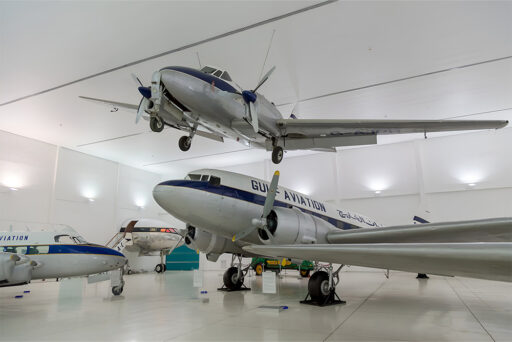
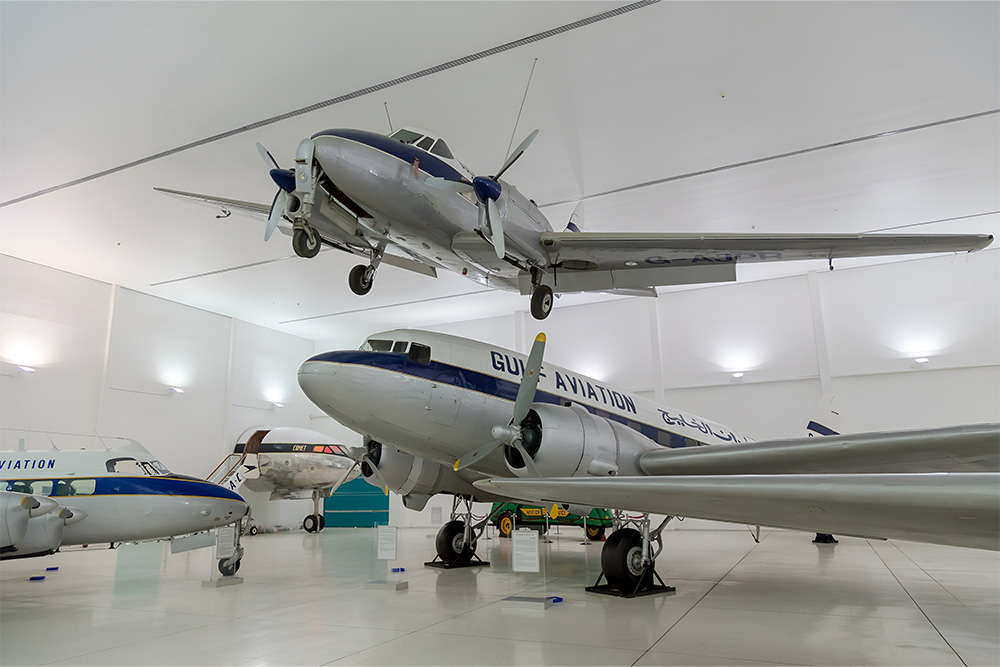
The museum is located in the original airport building and its adjacent aircraft hangar. The main building has been restored to its 1930s appearance, with exhibits that recreate the waiting room, the meteorology office, and the radio communication room, complete with period equipment. The atmosphere is thick with nostalgia. The large hangar is the centerpiece, housing a full-scale, beautifully restored replica of the “Hannibal” flying boat. Standing beneath its massive wings offers a tangible sense of the scale and romance of early air travel.
Beyond Aviation: The Social Impact of the Airport
Al Mahatta Museum wisely expands its narrative beyond the technical aspects of flight to explore the profound social and economic impact the airport had on Sharjah. The airport brought the world to the emirate’s doorstep. It created new jobs, introduced new technologies like wireless communication, and exposed the local population to a stream of international travelers and ideas. The museum uses photographs, oral histories, and documents to illustrate how this single infrastructure project accelerated the pace of change and began the process of integrating the region into the global community.
From Propellers to Jets: The Later Years and Legacy
The museum also covers the airport’s later life. In the 1950s, as aircraft technology advanced, the airport transitioned from flying boats to land-based planes like the Douglas DC-3. It continued to operate as Sharjah’s main civilian airport until the new Sharjah International Airport opened in 1977. This continuity makes Al Mahatta a living chronicle of the entire first chapter of civil aviation in the UAE, from its humble beginnings as a desert outpost for imperial airships to a modern jet age facility.
Conclusion: Where the Modern World Landed
The Al Mahatta Museum is a niche but profoundly important cultural site. It tells a story that is often overshadowed by narratives of pearling and oil, yet it was aviation that first truly globalized the region. It is a place of wonder, where visitors can stand on the very tarmac where history touched down. The museum preserves the moment the isolated communities of the Gulf were connected to the global network of travel and communication, a pivotal chapter that set the stage for the interconnected, cosmopolitan nation the UAE would become.