

Introduction
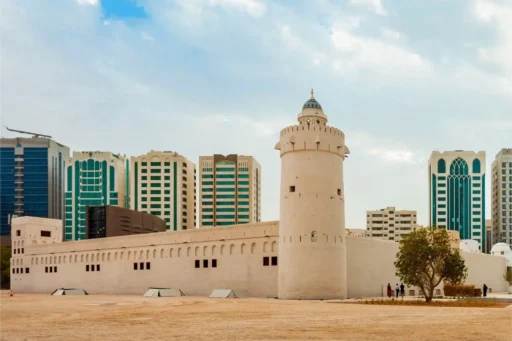
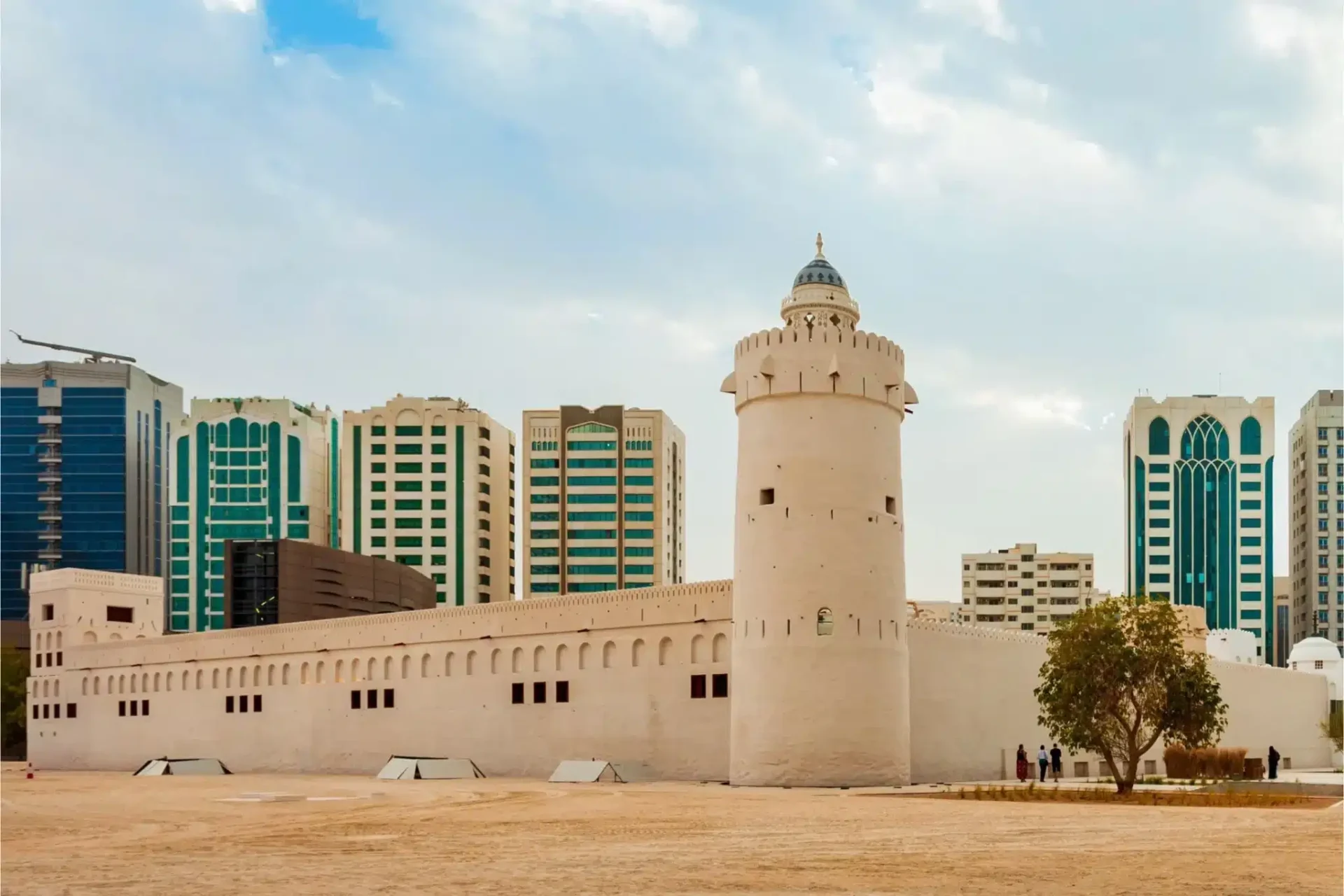
In the heart of modern Abu Dhabi, surrounded by gleaming towers of glass and steel, stands Qasr Al Hosn—the city’s oldest and most significant stone building. Known as the “White Fort,” it began as a single watchtower in the 1760s, built to protect the precious freshwater well discovered on the island. Over centuries, it evolved into a fortified palace and the seat of the Al Nahyan ruling family. Today, meticulously restored and opened as a museum, Qasr Al Hosn is the symbolic soul of the capital, a physical chronicle of Abu Dhabi’s journey from a small pearling settlement to a global capital.
The Layers of History: From Watchtower to Presidential Palace
The architecture of Qasr Al Hosn tells its story in stone and coral. The original, inner fort (Al Hosn), built around the watchtower, dates to 1795 and was constructed from coral and sea stone. Its robust, defensive walls speak to a time of tribal skirmishes and the need for protection. The outer palace (Qasr), added in the 1940s, reflects a period of growing prosperity from the early pearling trade. With its more ornate design, including the iconic wind tower, it served as the royal residence and administrative center, witnessing the dawn of the oil era and the formation of the UAE.
The Conservation Project: A Dialogue Between Past and Present
The recent restoration of Qasr Al Hosn was a monumental, years-long project of archaeological and historical research. Conservation experts worked painstakingly to preserve the original fabric of the building, using traditional materials and techniques. The result is not a sterile replica but a living document where visitors can see the different historical layers—the original coral stone, the later plasterwork, and the repairs of time. The fort now stands in a beautiful cultural park, creating a serene dialogue between the ancient seat of power and the hyper-modern city that has grown up around it.
Exhibitions of Power and People: The National Consultative Council
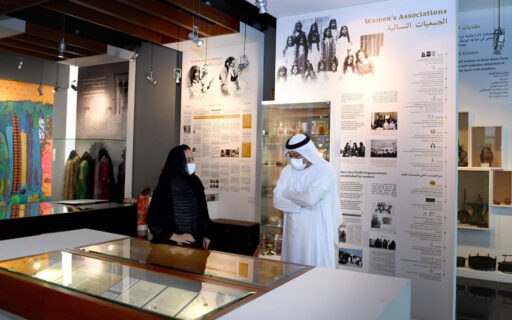
Within the fort’s walls, the exhibitions are carefully crafted to tell a dual story. One thread focuses on the history of the Al Nahyan family and the governance of Abu Dhabi. A key highlight is the Majlis Al Majlis, the room where the first National Consultative Council met in 1971, a pivotal step in the development of the UAE’s federal government. This space powerfully connects the fort’s historical role as a center of authority to the modern political structures of the nation.
The House of Artisans: Preserving Intangible Heritage
Adjacent to the main fort is the House of Artisans, a dedicated space that safeguards the UAE’s intangible cultural heritage. Here, the focus shifts from political history to the daily lives and skills of the people. Visitors can watch master craftspeople demonstrate traditional skills such as Al Sadu weaving, Khoos (palm frond) weaving, and dallah (coffee pot) making. This complementary institution ensures that the story of Qasr Al Hosn is not just about rulers and politics, but also about the culture and community they governed.
Conclusion: The Enduring Symbol of Abu Dhabi
Qasr Al Hosn is more than a museum; it is the foundational stone of a metropolis. It is a place where every Emirati can connect with their roots and where every visitor can grasp the profound scale of Abu Dhabi’s transformation. To stand before its weathered walls is to stand at the very beginning of the city’s story. It is a powerful reminder that the global city of today was built upon the vision, resilience, and leadership that emanated from this humble fort, making it the most important historical site in the emirate of Abu Dhabi.